Termites are rarely the kind of problem that announces itself. They do not usually create loud noises, leave obvious piles of debris, or suddenly appear in large numbers where everyone can see them. Instead, these destructive insects can remain hidden behind walls, beneath floors, inside structural wood, or around damp areas while steadily feeding on materials that help support a property. By the time visible signs of termite activity appear, damage may already have developed beneath the surface. This is why a professional termite inspection service is such an important part of responsible property maintenance. Rather than waiting for obvious damage to become impossible to ignore, an inspection provides an opportunity to investigate the property’s vulnerable areas, identify warning signs, and determine whether termite activity may be present before the situation becomes more extensive. Find out more at https://www.lonestarinspections.com/inspection-services/termite-inspections/.
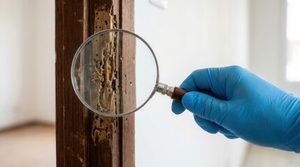
A termite inspection is more than a quick visual search for insects. A thorough inspection involves looking for evidence of termite activity, conditions that may encourage infestations, and areas where wood or other structural materials could be vulnerable. Depending on the property and inspection requirements, a professional may examine accessible structural components, crawl spaces, foundations, moisture-prone areas, flooring, walls, wooden supports, storage areas, and other locations where termites could establish hidden colonies. The objective is not simply to find termites but to understand the broader condition of the property and identify factors that could contribute to future problems.
One of the most concerning aspects of termite damage is that it can develop quietly. Termites feed on cellulose-based materials, including many forms of wood and other plant-derived materials commonly found in buildings. Because colonies can operate out of sight, property owners may not realize that damage is occurring until structural materials have already been weakened. Floors can begin to feel different underfoot, wooden surfaces may become hollow or damaged, doors and windows may become difficult to operate, and previously solid materials can show signs of deterioration. These symptoms can have other causes, but they should not be dismissed without investigation when termite activity is a possibility.
A professional termite inspection service can provide valuable information even when no active infestation is immediately visible. Sometimes the inspection may reveal old termite damage without evidence of current activity. In other cases, the inspection may identify environmental conditions that increase the likelihood of an infestation developing later. Moisture accumulation, wood-to-soil contact, poor drainage, damaged wood, and inaccessible structural areas can all create conditions that deserve attention. Understanding these risk factors allows property owners to take preventive action instead of treating termite management as something that only matters after an infestation becomes obvious.
Several warning signs should encourage a property owner to schedule a termite inspection:
- Visible wood damage: Hollow-sounding wood, blistered surfaces, weakened materials, unexplained cracks, or areas that appear unusually damaged may warrant professional evaluation.
- Evidence of termite activity: Mud tubes, discarded wings, termite droppings, damaged wood, or other unusual signs around the property can indicate that an inspection is appropriate.
However, the absence of these warning signs does not necessarily mean a property is termite-free. This is one of the biggest reasons professional inspections are valuable. Termites can occupy concealed areas that are difficult for an untrained person to access or recognize. A property owner may inspect a visible wooden surface and see nothing unusual while activity is occurring behind it. Professional inspectors are trained to recognize subtle indicators and understand where termite activity is more likely to develop based on construction features and environmental conditions.
Moisture deserves particular attention when discussing termite prevention. Many termite problems are associated with areas where excess moisture exists, although moisture itself does not automatically mean that termites are present. Leaking plumbing, poor drainage, condensation, roof leaks, damaged gutters, and persistent dampness can contribute to conditions that make portions of a property more vulnerable. During an inspection, identifying moisture-related concerns can be just as valuable as identifying direct evidence of termites. Correcting those conditions may help reduce the property’s overall vulnerability and improve its long-term condition.
The relationship between landscaping and termite risk is another consideration for property owners. Organic materials, wood debris, dense vegetation, and improperly positioned materials can sometimes create pathways or conceal areas where termite activity may go unnoticed. Wood stored directly against a structure, for example, can make inspection more difficult and may create conditions that deserve attention. Maintaining appropriate separation between certain materials and the building can make vulnerable areas easier to monitor. A professional termite inspection can help identify these conditions and provide practical recommendations for improving accessibility and reducing potential risk.
Termite inspections are also particularly useful when purchasing or selling a property. A building may look perfectly maintained during a standard viewing while concealed termite damage remains undiscovered. Because termite problems can influence repair costs and potentially affect structural components, knowing the condition of the property before completing a transaction can be extremely valuable. A professional inspection provides additional information that can help buyers understand potential risks and help sellers address problems before they become obstacles during the sales process. The exact inspection requirements can vary depending on the transaction and applicable regulations, but termite evaluations are often an important consideration in property due diligence.
For existing property owners, termite inspection services can become part of a broader preventive maintenance strategy. Waiting for damage to become visible can be an expensive approach because repairs may involve more than treating an insect population. If termites have compromised structural wood, additional repair work may be necessary to restore affected areas. Early detection can potentially limit the extent of damage and make treatment and repairs more manageable. Preventive inspections are therefore not simply about eliminating insects; they are about protecting the condition and long-term value of the property.
The inspection process itself should be approached as an investigation rather than a routine checklist. A knowledgeable professional considers how the property is constructed, where moisture may accumulate, which areas provide access to wood, and where termites could potentially remain hidden. Accessible areas may be examined for damaged wood, shelter tubes, droppings, wings, live insects, or other evidence. The inspector may also look for conditions that make future termite activity more likely. The resulting assessment can give the property owner a clearer picture of current concerns and potential vulnerabilities.
Documentation is another valuable component of professional termite inspection services. A written report can provide a record of observed conditions and recommendations. Depending on the purpose of the inspection, documentation may describe areas examined, evidence discovered, visible damage, inaccessible areas, and suggested next steps. Property owners should carefully review these findings rather than focusing solely on whether termites were found. An inspection report can reveal important maintenance concerns even when active termites are not identified.
It is also important to understand the difference between termite inspection and termite treatment. An inspection is primarily an assessment designed to determine whether there is evidence of termite activity, damage, or risk conditions. Treatment, on the other hand, involves specific measures intended to control or eliminate an infestation. These are related but distinct services. An inspection should generally come before treatment because effective termite management depends on understanding what type of problem exists, where activity is occurring, and how extensive the situation may be.
Different types of termites can behave differently, which makes accurate identification important. Some species may establish colonies in soil and access structures through concealed pathways, while others may live primarily within wooden materials. Their behavior, nesting habits, and preferred environments can influence how an infestation is detected and managed. A professional inspection can help determine what evidence is present and whether further evaluation or treatment may be necessary. Correct identification prevents property owners from relying on assumptions that may not accurately reflect the situation.
Another important benefit of regular termite inspections is peace of mind. Property ownership already involves numerous maintenance responsibilities, and hidden structural problems can create considerable uncertainty. Knowing that a professional has examined vulnerable areas can provide reassurance and help property owners make decisions based on evidence rather than guesswork. If a problem is discovered, early information allows the owner to consider appropriate treatment and repairs. If no evidence of active termites is found, the inspection can still highlight preventive improvements that may reduce future risks.
There are several practical steps property owners can take between professional inspections to make termite problems easier to detect:
- Monitor vulnerable areas: Pay attention to changes in wooden surfaces, unusual cracks, mud-like tubes, discarded wings, or unexplained damage around the property.
- Reduce favorable conditions: Address leaks, improve drainage, remove unnecessary wood debris, and keep vulnerable areas accessible for inspection whenever possible.
Regular property maintenance does not guarantee that termites will never become a problem, but it can make warning signs easier to identify. Keeping wood materials in good condition, addressing moisture problems quickly, maintaining drainage systems, and avoiding unnecessary contact between structural materials and soil can all contribute to better preventive management. These measures are especially valuable when combined with professional termite inspections because inspectors can evaluate conditions that may not be obvious during routine household maintenance.
When choosing a termite inspection service, property owners should look beyond the lowest advertised price and consider the quality and thoroughness of the inspection. A professional service should provide clear information about what will be inspected, explain any limitations, document significant findings, and straightforwardly communicate recommendations. Property owners should also feel comfortable asking questions about evidence of activity, visible damage, potential risk factors, and recommended next steps. A trustworthy inspection is informative rather than alarmist and should help the property owner understand the actual condition of the building.
Termite inspections can also support long-term property preservation. Buildings represent significant investments, and structural components are not areas where hidden deterioration should be ignored. Small maintenance issues can become considerably more complicated when they are allowed to continue unnoticed. By incorporating termite inspections into a broader property maintenance plan, owners can take a more proactive approach to protecting structural materials. This is particularly valuable for properties with older construction, moisture concerns, extensive wood components, or previous evidence of termite activity.
Ultimately, a termite inspection service is about discovering what cannot always be seen. Termites can cause serious damage without providing obvious warning, which makes professional evaluation an important preventive tool for homeowners and property owners. An inspection can uncover evidence of current activity, identify previous damage, reveal conditions that may attract termites, and provide recommendations for reducing future risk. Instead of waiting until damaged wood, structural concerns, or expensive repairs force the issue, property owners can use regular inspections to stay informed about the condition of their investment.
Protecting a property from termites starts with awareness, but effective prevention requires action. Professional inspections provide the information necessary to understand where risks exist and whether further treatment or repairs are appropriate. When combined with good moisture management, proper property maintenance, and prompt attention to warning signs, termite inspections can become an important part of a long-term pest management strategy. The goal is not simply to react when termites are discovered. The smarter approach is to identify potential problems early, address vulnerabilities, and protect the property before hidden damage has an opportunity to become a much larger concern.