How Professionals Assess Water Damage Before Remediation

Water damage assessment sets restoration efforts on the right track. It helps identify problems like lingering moisture pockets and hidden mold growth.

Water Damage Remediation Salt Lake City begins by doing a visual inspection. They look for evidence of water intrusion like stains, warped flooring, and musty odors. They use hygrometers and borescopes to check inside wall cavities, under cabinets, and behind fixtures.

Visual Inspection

The first step in any water damage restoration is a thorough inspection of the affected area. This includes identifying areas of concern, checking moisture levels and determining the extent of the problem. It also gives professionals a clear picture of the work ahead of them, from extraction and drying to mold remediation and thoughtful rebuilding.

Water damage can wreak havoc on structures and property within hours, turning a normal home into a high-risk environment with electrical hazards, bacteria and airborne toxins from mold. This is why it’s so important to cut power to the affected area at the breaker box and take wide and close-up photos of all spaces that have been exposed to water damage.

A visual inspection log is an essential document that helps restorers create a clearer scope of work, communicate effectively with insurance providers, and set their clients up for success. It should include room-by-room logs, meter readings and photos of affected surfaces, including any visible damage. The log should also note whether the space was occupied and whether there were any odors present.

It’s also a good idea to use a hygrometer to record the humidity in each room and identify any elevated levels that could indicate hidden problems. This is especially important in assessing ceilings, walls, and floors that aren’t readily visible. Finally, a borescope allows technicians to peer inside wall cavities and under cabinets for any unseen damage.

UV lighting, sometimes called black light, is another useful tool that can help spot unseen problems. This type of lighting emits a specific wavelength of light that causes many common hydrocarbon or organic oils and greases to fluoresce in color. It can also spot mold, dirt and stains that may be otherwise invisible to the naked eye.

When it comes to water damage, a quick response is vital to protect your family, your business, and your reputation. Michaelis Corporation is more than just a cleanup crew; we’re a full-scope water recovery service with decades of experience, 24/7 emergency dispatch capabilities, and trained, certified water restoration technicians. We help you get back on your feet fast with rapid extraction, thorough mold remediation, and thoughtful rebuilding that minimizes future risk.

Classification

The first step of water damage restoration is identifying the source and extent of the damage. This involves assessing visible cues like staining, buckling floors, and mold growth as well as measuring moisture levels with moisture meters and infrared cameras. Accurate assessment ensures that restoration efforts are focused on the right areas. It also helps prevent the deterioration of materials that can’t be saved, such as drywall and carpeting.

The next step in assessing water damage is classifying it. Professionals use guidelines from the IICRC to classify the severity of the situation and guide their actions. The guidelines determine whether the water is considered Category 1 (clean water from a sanitary source) or Categories 2 and 3 (progressively more contaminated water). In addition to gauging contamination level, determining the category of the water is important because it identifies appropriate safety measures and equipment requirements.

For example, cleaning and sanitizing Class 1 damage requires a high-powered dryer, dehumidifier, and antimicrobial cleaners. These chemicals are designed to destroy bacteria and mold spores that can grow in a damp environment. In contrast, disinfecting Class 3 damage requires more stringent safety measures and special equipment, including protective gear and industrial-grade sanitizers.

Besides assessing the level of contamination, professionals also look at how far the moisture has spread throughout the building. This involves checking behind walls and beneath flooring, often with the help of tools such as hygrometers and borescopes. Moisture readings reveal how much moisture is affecting building materials, which helps professionals develop an effective remediation plan.

The final stage of assessing water damage is creating a remediation plan. This includes drying and sanitizing affected materials, as well as identifying what can be salvaged from the property and which items need to be replaced. It is crucial to establish a clear plan for restoring water damage because otherwise, the restoration process will be time-consuming and inefficient. In addition, improper restoration can lead to additional problems such as mold and rot. Therefore, it is essential to understand how the process works so that you can trust the work of experienced and certified restoration specialists.

Scope of Damage

When water infiltrates a home, it turns into a health and safety risk within hours. Electrical hazards, mold spores from contaminated water, and structural weakening develop into serious problems that require professional intervention to mitigate.

A detailed assessment of the damage prevents costly repair and replacement costs due to unavoidable secondary damages. The assessment provides a clear inventory of affected materials and structures, which helps estimate the full scope of restoration work accurately. Detailed documentation of affected areas also helps prepare insurance claims for restoration work.

The first step in assessing water damage is to use a digital moisture meter to test the amount of water retained by materials like walls, ceilings, and floors. This information will aid in determining the class of the water intrusion and guiding the mitigation process. The use of a digital hygrometer to measure the relative humidity levels in a room can help increase the accuracy and thoroughness of your moisture readings.

Once you have determined the class of water intrusion, you need to determine how far the moisture has traveled through the structure. This requires checking behind walls and under floorboards using specialized equipment such as infrared thermal cameras. Once you have a complete understanding of how much moisture has permeated the structure, you can plan to dry and dehumidify the entire area.

During this stage, you should cut power to affected areas at the breaker box, not just the light switch. Cutting power at the breaker box reduces potential electric shock and protects the circuit fuses from being overloaded by a dangerous amount of electricity. After power has been restored, you can begin to vacuum up surface water using portable wet/dry vacuums and dry slightly moist baseboards and carpeting with fans and dehumidifiers. You should also strip away unsalvageable materials and disinfect all surfaces to prevent mold growth and bacterial contamination. The results of the water damage assessment should be written down in a thorough report, including photos, moisture and hygrometer readings, and classification details. This report can be used as a reference for the rest of the project.

Remediation Plan

Water damage can cause costly repairs, equipment replacement, and loss of revenue or inventory. To reduce downtime and business disruption, it’s crucial to understand how professionals assess damage from water intrusion and the steps they take to mitigate it.

Professionals first evaluate how far moisture has traveled in the structure. This step involves checking behind walls and beneath floors with specialized equipment like infrared cameras. This allows them to accurately determine the extent of damage, ensuring that all affected components are thoroughly dried and repaired.

Next, they create a remediation plan to restore the property. This includes identifying the source of the contamination and selecting appropriate remediation techniques. This step also includes defining goals that are SMART (specific, measurable, attainable, relevant and time-bound) to help ensure the plan’s success. This helps everyone stay on track and keeps the project moving forward.

Once the remediation plan is complete, professionals can begin work on the site. They will dry out structures, remove unsalvageable materials, and disinfect surfaces. They may even use specialized air treatment equipment to reduce bacteria and mold spores.

As the remediation process continues, professionals will monitor progress and make necessary adjustments. They will also document their efforts to provide a clear picture of the situation to customers and insurers. This documentation is essential for insurance claims and ensuring that all required restoration services are covered.

Water damage is one of the most common and costly problems homeowners face. It can occur from burst pipes, floods and even slow roof leaks. Unfortunately, it can quickly spread undetected until it’s too late. With a thorough inspection and restoration process, experts can address the problem quickly, saving property owners time and money. Using their experience and advanced technology, certified restoration companies can recover from the most severe water damage and prevent future complications.

Posted in Water Damage Services | Tagged , , , , | Comments Off on How Professionals Assess Water Damage Before Remediation

Upgrading Commercial HVAC Systems – When and Why to Upgrade

Upgrading Commercial HVAC Systems When and Why

Upgrading commercial HVAC systems can help stabilize energy costs, improve occupant comfort, and increase property value. However, when is the right time to invest in an upgrade?

A significant increase in repair bills is one clear sign that it’s time to consider a system upgrade. Frequent breakdowns are costly and disruptive to business operations. Visit Website for more details.

Increased Energy Bills

As commercial HVAC systems age, they become less efficient and require costly maintenance. This can lead to higher energy bills and ineffective heating or cooling, resulting in uncomfortable working conditions for employees and customers. Investing in an energy-efficient system can help reduce these costs and improve overall building performance.

However, it’s important to evaluate multiple factors when determining the best time for an upgrade. Achieving optimal commercial property performance requires balancing immediate financial considerations with long-term operational goals. Deciding when to replace your HVAC system is a key part of this process.

A high-performing, well-maintained commercial HVAC system is a valuable asset that can increase your property’s value in the market. Upgrading to a newer, more energy-efficient model can enhance occupant comfort, support sustainability initiatives, and make your facility more attractive to prospective tenants and buyers.

Considering the high cost of replacing aging HVAC equipment, it’s important to evaluate the value and benefits of doing so in terms of savings on energy costs and other operational expenses. Upgrading to a modern, energy-efficient HVAC system often pays for itself in reduced operating costs within 3-5 years.

One of the most common signs that it’s time to upgrade your commercial HVAC system is a sudden or consistent rise in energy bills without an accompanying increase in usage. Inefficient systems waste a significant amount of energy, increasing operational expenses and reducing building efficiency. By installing a new system with advanced energy-saving features, including smart thermostats and zone control mechanisms, you can improve building efficiency and lower your operating costs.

Another sign that it’s time to upgrade your commercial AC system is if it experiences frequent breakdowns or requires expensive repairs. These problems can be disruptive to business operations and result in lost productivity. Moreover, the costs of frequent repairs add up quickly and may exceed the expense of an upfront system upgrade.

Many HVAC upgrades also qualify for valuable rebates and tax incentives from manufacturers and local incentive programs. These programs can help reduce initial costs and accelerate your ROI, making it an even more appealing investment.

Frequent Breakdowns

A commercial HVAC system must be dependable enough to meet the heating and cooling needs of all building occupants. When an HVAC system frequently breaks down, it can disrupt building operations and cause discomfort. Over time, repair costs can quickly exceed the cost of a new, more efficient system. Frequent breakdowns can also erode employee and tenant satisfaction.

Commercial HVAC systems have an average lifespan of about 15 to 20 years, but they can wear out sooner than this with a lack of maintenance and other factors. Recognizing early signs of a deteriorating system can help facility managers make the best choice for enhancing performance, improving indoor air quality, and ensuring regulatory compliance.

Inconsistent temperatures, increased energy costs, and frequent repairs are all clear indicators that it’s time to consider an upgrade. Choosing a smarter, more reliable heating and cooling system will improve occupant comfort and boost productivity in the workplace.

Unusual noises or odors in your commercial HVAC system can also indicate that it’s time for a replacement. Noises like grinding, rattling, and clunking are typically caused by worn parts that are nearing the end of their useful lives. Unpleasant odors can be a sign of mold or burned-out wires.

Increasing energy bills without a corresponding increase in usage are another clear indicator that it’s time to replace your commercial HVAC system. A rise in energy bills is often a result of an inefficient commercial HVAC system that’s overworking, driving up operating costs. A professional energy assessment can reveal specific areas where your HVAC system is consuming too much energy.

Upgrading your commercial HVAC system can save you money on energy costs and provide a number of other benefits, including improved indoor air quality, enhanced building efficiency, and regulatory compliance. A tax deduction for energy-efficient upgrades can further reduce the upfront costs of a system replacement.

Upgrading your commercial HVAC system will not only improve occupant comfort, but it can also help you maintain the value of your property and attract tenants. A professional energy assessment can reveal specific areas in which your commercial HVAC system is consuming too much energy and can help you make the right decisions for your upgrade.

Poor Indoor Air Quality

An outdated commercial HVAC system can introduce poor indoor air quality into your building. Inconsistent temperatures, humidity problems, and a lack of ventilation can all contribute to unpleasant or unhealthy working conditions. An upgraded system will ensure a healthy and comfortable environment, improve employee productivity, and encourage customer satisfaction.

When you upgrade to a newer, more energy-efficient system, you’ll also be helping to reduce your carbon footprint and support environmental sustainability goals. Many newer models meet higher energy efficiency standards than older systems and use less power to perform the same tasks, resulting in lower utility bills and long-term savings.

A newer system will be less likely to break down than an aging one, which will also save on repair and maintenance costs. A proactive replacement schedule will help you avoid the surprise expenses associated with a sudden breakdown, ensuring your business can run smoothly and efficiently at all times.

Upgrading your commercial HVAC system may require a significant upfront investment, but this cost will be offset by significant savings on energy bills and a more efficient, reliable system. Many manufacturers and government programs offer rebates and tax credits that can reduce the initial investment and increase the return on your upgrade.

If you’re noticing that your building isn’t heating or cooling evenly, or if occupants are complaining about humidity issues, these are signs that your current system is nearing the end of its useful life. Uneven temperature distribution, humidity problems, and lack of ventilation can cause discomfort for employees and customers, leading to lost productivity and even health problems.

Upgrading your commercial HVAC system will make the space more appealing for potential buyers or tenants, boosting property values and speeding up sales or leases. A modern, efficient system will also reduce operating costs and maintenance costs, boosting your business’s bottom line. To learn more about upgrading to a new, energy-efficient commercial HVAC system, contact us today. We can provide you with a comprehensive energy assessment and provide options that fit your budget. We’ll work with you to identify the best upgrades for your building and implement them quickly and easily, resulting in immediate and long-term savings.

Inconsistent Temperatures

Commercial building occupants need consistent temperatures, good air quality, and efficient heating and cooling systems to be comfortable and productive. When these needs aren’t met, employees may complain and productivity is compromised. Recognizing when your system is struggling and taking action can help prevent issues that lead to high operating costs and occupant discomfort.

If a building is experiencing temperature fluctuations or problems with humidity, it’s time for an HVAC upgrade. The best way to improve comfort is to upgrade to a new, more energy-efficient system that has better controls and technology. These upgrades can also increase indoor air quality, reduce energy consumption, and even qualify for tax deductions.

Whether you’re an owner, manager, or tenant, identifying when it’s time to invest in an HVAC upgrade can help you save money and ensure that your facility’s occupants are always comfortable and productive. The right commercial HVAC upgrades can provide significant energy savings, reduced maintenance costs, and compliance with current regulations.

When evaluating the lifespan of your commercial HVAC system, it’s important to take into account factors like usage patterns, climate conditions, and maintenance history. However, many commercial systems reach the end of their life cycle before the need for replacement becomes apparent. A good rule of thumb is that when repair costs outweigh the cost of replacing your commercial HVAC system, it’s time to consider an upgrade.

A commercial building’s energy expenses can spike when an old system is used for a long period of time. The increased demand for energy can lead to more frequent and costly repairs, which can add up over time. Upgrading to a new, more energy-efficient commercial HVAC system with built-in energy efficiency features can stabilize energy expenses and minimize the need for costly repairs.

If your facility experiences problems with inconsistent temperatures, it’s an indicator that your commercial HVAC system is nearing the end of its useful life. The issue may be caused by blocked vents, poor duct design, or outdated equipment that’s consuming more energy than necessary. Investing in HVAC retrofits, such as a zoning system or improved airflow management, can resolve these issues and improve occupant comfort with minimal cost.

Posted in HVAC Services | Tagged , , , , | Comments Off on Upgrading Commercial HVAC Systems – When and Why to Upgrade

Fast and Reliable AC Repair Services for Homes and Businesses

Air conditioning is an essential part of modern life, providing comfort in homes and maintaining a productive environment in businesses. Whether it’s a sweltering summer day or a humid season, a malfunctioning AC system can create discomfort, disrupt daily activities, and even affect health. Fast and reliable Round Rock AC Repair services are critical for restoring cooling efficiency and ensuring consistent indoor comfort. This guide explores why professional AC repair is important, common problems, maintenance tips, and how homes and businesses can benefit from prompt and expert service.

ac repair

The Importance of Fast and Reliable AC Repairs

Air conditioning systems are complex, comprising components such as compressors, condensers, evaporator coils, fans, thermostats, and electrical systems. Each part must work together for the system to perform efficiently. When an AC unit fails, it can cause uneven cooling, higher energy costs, and strain on other system components.

Fast and reliable AC repair services provide professional solutions to quickly restore cooling performance. These services are essential for preventing minor issues from turning into major problems. Delaying repairs can result in further damage, increased utility bills, and potential system replacement. Skilled technicians diagnose problems accurately, perform high-quality repairs, and ensure the system operates safely and efficiently.

For businesses, fast repairs are even more critical. Office spaces, retail stores, and commercial facilities rely on comfortable indoor temperatures for productivity, customer satisfaction, and employee well-being. A reliable repair service minimizes downtime, allowing businesses to maintain operations without disruption.

Common AC Problems and How Experts Fix Them

Understanding common AC issues helps homeowners and business owners recognize when professional repair is needed. Frequent problems include:

  1. Weak or Inconsistent Airflow
  2. Reduced airflow often results from clogged filters, blocked ducts, or failing blower motors. Poor airflow prevents even cooling and forces the system to work harder. Technicians inspect and clean filters, repair or replace faulty motors, and ensure proper airflow to restore consistent comfort.
  3. Refrigerant Leaks
  4. Low refrigerant levels reduce cooling capacity and efficiency. Leaks can also damage the compressor if left unaddressed. Professionals locate leaks, repair affected components, and recharge the system with the correct refrigerant.
  5. Unusual Noises
  6. Buzzing, grinding, rattling, or squealing sounds often indicate mechanical or electrical issues. Loose parts, worn belts, or failing motors are common causes. Expert repair resolves these problems, restoring quiet and efficient operation.
  7. Temperature Inconsistencies
  8. If some rooms are hotter or cooler than others, issues may involve thermostat malfunctions, blocked vents, or uneven refrigerant flow. Technicians calibrate thermostats, adjust airflow, and repair components to achieve balanced temperatures throughout the property.
  9. Water Leaks or Ice Buildup
  10. Condensation leaks or ice formation on coils can indicate drainage problems or restricted airflow. Professionals clear blockages, inspect drainage systems, and maintain proper airflow to prevent recurring issues.
  11. Electrical Failures
  12. Faulty wiring, blown fuses, or malfunctioning capacitors can cause the AC system to stop functioning. Skilled technicians repair electrical components safely, restoring reliable operation.

Prompt repairs of these issues not only restore comfort but also extend the life of the AC system and maintain energy efficiency.

Why Skilled Technicians Matter

The effectiveness of AC repairs largely depends on the technician’s experience and expertise. Fast and reliable repair services employ trained professionals who understand various AC systems, including central air, split systems, ductless mini-splits, and commercial-grade units.

Expert technicians use advanced diagnostic tools to pinpoint problems quickly and accurately. Their knowledge ensures that repairs are performed correctly the first time, minimizing the risk of repeated issues. Additionally, technicians prioritize safety, handling electrical components and refrigerants in compliance with industry standards. Proper repairs protect both the property and occupants while restoring the system to full functionality.

Benefits of Fast and Reliable AC Repair Services

Investing in professional AC repair services offers multiple advantages for homeowners and business owners:

  • Rapid Response and Restored Comfort
  • Trusted repair providers respond quickly to emergency calls, ensuring indoor temperatures return to comfortable levels without prolonged disruption.
  • Accurate Diagnostics
  • Professional technicians use specialized tools to identify the root cause of the problem, preventing unnecessary repairs and reducing downtime.
  • Energy Efficiency
  • Properly repaired systems operate efficiently, consuming less energy and reducing utility costs.
  • Extended System Lifespan
  • High-quality repairs prevent additional wear and tear, prolonging the life of the AC system.
  • Preventive Insights
  • Technicians often provide recommendations for maintenance and upgrades to prevent future breakdowns.
  • Enhanced Safety
  • Professional repairs ensure that electrical and mechanical components are handled safely, reducing hazards.

Preventive Maintenance to Avoid Emergency Repairs

While fast repairs are crucial when issues arise, preventive maintenance plays an equally important role in maintaining system reliability and efficiency. Routine maintenance tasks include:

  • Filter Cleaning or Replacement
  • Dirty filters restrict airflow, reducing system efficiency and cooling performance. Replacing or cleaning filters regularly improves both air quality and energy use.
  • Coil Cleaning
  • Evaporator and condenser coils collect dust and debris over time, impairing heat exchange. Professional cleaning restores efficiency and prevents strain on the system.
  • Refrigerant Check
  • Proper refrigerant levels are essential for optimal cooling. Technicians inspect for leaks and recharge refrigerant as needed.
  • Electrical Inspection
  • Checking wiring, capacitors, and connections prevents electrical failures and supports safe operation.
  • Thermostat Calibration
  • Correctly calibrated thermostats prevent overcooling or undercooling, enhancing energy efficiency.

Many repair services offer seasonal maintenance plans to schedule inspections before peak cooling periods. These preventive measures reduce the likelihood of emergency breakdowns, maintain energy efficiency, and ensure consistent indoor comfort.

Energy Efficiency and Cost Savings

Efficient AC systems consume less energy while providing consistent cooling. Repairs that restore efficiency can significantly reduce utility bills. Key efficiency factors include:

  • Fixing Refrigerant Leaks
  • Proper refrigerant levels maintain system performance without overworking the compressor.
  • Cleaning Filters and Coils
  • Unobstructed airflow and clean coils improve cooling capacity and reduce energy usage.
  • Repairing Mechanical Components
  • Faulty motors, belts, or fans increase energy consumption. Repairs restore smooth operation.
  • Accurate Thermostat Settings
  • Proper calibration prevents unnecessary cycling, reducing energy waste.

By addressing these factors during repair, homeowners and businesses enjoy both reliable cooling and cost savings.

Upgrades to Enhance AC Performance

During repairs, technicians may recommend upgrades that improve cooling efficiency and overall system reliability. These include:

  • High-Efficiency Components
  • Replacing older compressors, motors, or fans with energy-efficient options reduces energy consumption and enhances performance.
  • Smart Thermostats
  • Programmable or smart thermostats optimize temperature control and energy use without compromising comfort.
  • Ductwork Improvements
  • Sealing leaks, insulating ducts, and optimizing airflow increases efficiency and ensures even cooling throughout the property.
  • Air Filtration and Purification
  • Upgraded filters or air purification systems improve indoor air quality and support efficient system operation.

Such upgrades ensure the system delivers reliable, energy-efficient cooling for years to come.

Residential and Commercial Benefits

Residential Homes:

Fast and reliable AC repairs maintain comfortable indoor temperatures, improve air quality, and enhance the overall living experience. Properly maintained systems reduce energy costs and prevent sudden breakdowns during peak usage periods.

Commercial Spaces:

Businesses benefit from minimal downtime, consistent indoor climate, and improved productivity. Reliable AC systems create a comfortable environment for employees and customers while supporting efficient energy use. Maintenance plans and expert repairs help prevent disruptions in business operations.

Signs You Need AC Repair

Homeowners and business owners should watch for indicators that professional repair is necessary:

  • Reduced or uneven cooling throughout the property
  • Strange noises such as buzzing, grinding, or rattling
  • Water leaks or ice buildup around the unit
  • Frequent cycling without reaching the desired temperatures
  • Unexpected increases in energy bills
  • Foul odors from vents

Recognizing these signs early and scheduling fast repair services ensures minimal discomfort and prevents costly future repairs.

Choosing a Trusted AC Repair Service

When selecting a repair service, consider:

  • Experience and Expertise: Skilled technicians with experience in various AC systems provide accurate repairs.
  • Response Time: Fast response ensures quick restoration of cooling, especially during extreme temperatures.
  • Quality Parts: Reliable repair services use high-quality components to ensure lasting repairs.
  • Customer Feedback: Positive reviews reflect a track record of dependable service.
  • Maintenance Options: Providers offering maintenance plans can reduce future repair needs and maintain energy efficiency.

Choosing a trusted AC repair service ensures that homes and businesses receive timely, effective, and safe cooling solutions.

Air conditioning is essential for comfort, health, and productivity in homes and businesses. When an AC system fails, fast and reliable repair services are crucial for restoring cooling, improving energy efficiency, and ensuring consistent indoor comfort. Skilled technicians diagnose problems accurately, perform high-quality repairs, and provide preventive recommendations to extend system life.

Combining repairs with regular maintenance keeps systems operating efficiently, reduces energy consumption, and minimizes the risk of sudden breakdowns. Upgrades such as high-efficiency components, smart thermostats, and improved ductwork further enhance cooling performance and reliability.

Investing in fast and reliable AC repair services ensures efficient, dependable cooling for homes and businesses. Professional repairs not only restore comfort but also protect the system’s long-term performance, energy efficiency, and overall reliability. By addressing issues promptly and relying on skilled technicians, property owners can enjoy uninterrupted cooling and peace of mind throughout the year.

Posted in HVAC | Tagged , , , , , | Comments Off on Fast and Reliable AC Repair Services for Homes and Businesses

How Air Conditioning Systems Work

Whether it’s a bustling professional office or the focused solitude of home study, studies and statistics demonstrate that cognitive performance is enhanced by a climate-controlled environment. Cincinnati Air Conditioning systems deliver this through comprehensive ventilation and humidity control.

hvac

Air conditioning systems also help to minimise indoor allergens, fostering an environment that prioritises respiratory health and wellbeing for the whole family.

Refrigerant is the heart of air conditioning and the essential ingredient for cool, comfortable living. Its unique properties allow it to absorb and release heat efficiently as it cycles through the AC system’s closed-loop system. This includes the compressor, condenser, expansion valve and evaporator coil. When refrigerant evaporates in the indoor evaporator coil, it draws heat from the warm home air, cooling it before it is circulated back into your living space. The warmed refrigerant then travels to the outdoor condenser coil, where it releases its heat and changes back into a liquid to repeat the cycle.

Refrigerants are flammable, toxic and volatile, so they are only handled by certified technicians. When an air conditioner loses refrigerant, it must be repaired as soon as possible. A low refrigerant charge reduces your air conditioner’s capacity and efficiency, and may damage other components.

While the specific chemicals that comprise refrigerant remain a mystery to most homeowners, there are a few things you can look for to find out what type is used in your air conditioner. Most newer air conditioners use R-410A, a non-combustible hydrocarbon with very low Global Warming Potential and Ozone Depletion Potential ratings. Older air conditioners typically use R-22, known by its brand name Freon.

You can also check your air conditioner’s manual for information on the refrigerant type, as well as its pressure specs and evaporator coil temperature requirements. If your air conditioner is still using R-22, you can try to get a refrigerant swap or top up, but be aware that supplies are running out and any refill will likely be more costly than replacing the entire AC. If you do need to replace the refrigerant, look for a label on the compressor or lines near the evaporator coil that lists the refrigerant type and pressure specifications.

Compressor

The compressor is the heart of every air conditioning system. All AC systems rely on the compressor to circulate and pressurize refrigerant, which in turn creates the cooling effects that provide cool air. As one of the most crucial components, it is no surprise that a quality compressor can last over a decade with proper maintenance. However, the compressor’s longevity depends on several factors that can negatively impact its performance including high operating temperatures, unchecked refrigerant leaks, and general wear.

During operation, the compressor heats up as it compresses the refrigerant gas. This heating is due to internal mechanical work and to the fact that the compression process is not adiabatic. Achieving adiabatic compression requires large heat exchange surfaces and a relatively small gas volume. This is impractical, and in practice, the compressor uses a polytropic compression model that takes into account both a rise in temperature and a loss of energy.

In a practical air conditioner, the heated liquid refrigerant is passed to the condenser unit where it cools down and turns back into a gas. It is then routed to the evaporator coil inside the home where it absorbs warmth from the tepid indoor air, which causes the evaporator to turn back into a cold liquid again. The refrigerant is then rerouted back to the compressor where it starts the cycle all over again.

If your AC breaker trips frequently, it is a sign that something is wrong with the compressor. A failing compressor can overheat and draw too much current, causing the breaker to shut off power for safety. Usually, this happens after an ongoing problem has built up for months.

Condenser

The air conditioning system consists of an indoor unit and outdoor unit that work together to remove heat from your home. The key to this process is the AC condenser, a box-shaped piece of equipment installed outside your home on a concrete pad or attached to your house.

The condenser is filled with copper coils that help transfer absorbed heat from the air to the outdoor environment. It’s also where the refrigerant changes from a hot, high-pressure gas to a cool liquid. The refrigerant then travels through a suction line to the compressor, where it’s pressurized again. Then it moves to the expansion valve, where its pressure is lowered again before entering the evaporator coil located inside your house.

During the cooling cycle, your air conditioner’s fan blows over the evaporator coils, which absorbs heat from the indoor air before the refrigerant is blown across the outdoor condenser to transfer it into the air outside. This heat is then cooled by the evaporator coil, and the resulting cool air is sent back through the ducts and out into your living spaces.

Dirty, obstructed coils prevent heat transfer, forcing the system to work harder to cool your home. Regular cleaning can prevent these problems and extend the life of your air conditioning system.

Evaporator

The evaporator is the part of your air conditioner that cools your home. It holds the refrigerant sent in by the compressor, chilled and ready to be used. The evaporator coils take heat from the air in your home as it passes over them, cooling your house and making it comfortable.

A dirty evaporator coil affects your air conditioner in many ways. It makes the coil insulate, which stops it from absorbing heat from your home’s air and makes it work harder to get the job done. This extra work uses more energy and can increase your electricity bills significantly. Dirty coils also make your AC less effective at removing moisture from the air, which can lead to humidity problems.

While many design best practices apply across all coil types, some are specific to evaporator coils. These include distributor nozzle sizing, circuit arrangement, and fin spacing. The design of a good evaporator coil maximizes the amount of surface area and the flow rate of both liquid and air.

Evaporator coils can be either dry type using an expansion valve or flooded type with a level control. The former is often used on spray dryers to concentrate liquid foods prior to drying, because it saves energy by eliminating the formation of droplets of condensed water that would impede heat transfer (Kakac et al., 2012).

A clean evaporator coil makes your system more efficient. This allows it to cool your home faster and more effectively, while reducing energy consumption and pollution. A dirty evaporator coil costs you money in the long run and should be cleaned as part of your regular air conditioning maintenance. Keeping up with this maintenance prevents costly repairs later and extends the life of your air conditioner.

Fan

A fan is used to move air in a system. Although a fan cannot change the temperature of a room (unless it moves air from a cooler place to a warmer one) it can make people feel cool by increasing evaporation of skin moisture and by helping to dissipate body heat. It also makes the thermostat work harder because it has to compensate for the increased air temperature created by the moving of warm air over it.

Fan curves are a graphic presentation of a fan’s performance characteristics that show its ability to produce a given amount of airflow at various speeds and static pressures. Supplementary curves showing absorbed power, sound characteristics and a system curve are often presented. The point at which a fan can operate is called its peak power. Peak power is not necessarily a measure of reliability, but should be considered in conjunction with the other factors involved when selecting a fan.

Posted in HVAC | Tagged , , , , , | Comments Off on How Air Conditioning Systems Work

The Silent Art of Comfort: Inside the World of Air Conditioning Installation

Cool air is not just a luxury but a necessity in modern living. The ability to control indoor temperature shapes how we work, rest, and thrive. Yet behind the push of a button and the hum of a unit lies a complex process that requires precision, planning, and skill. Air conditioning installation is more than placing a machine on a wall; it is the science of comfort engineered into the fabric of a space.

Air Conditioning

Installing an air conditioning system is a delicate balance between technology and environment. Each building has its unique thermal profile shaped by size, insulation, window placement, and occupancy. These variables determine how air will move, how heat will accumulate, and where cooling is most needed. Installers must assess these details meticulously to ensure optimal performance. Contact AIR CONDITIONING INSTALLATION MILFORD OH for professional help.

The first step is understanding the load requirement of a space. Too small a unit struggles to cool, wasting energy as it runs continuously. Too large a unit cycles off too quickly, leaving humidity unchecked and comfort uneven. Precision in sizing is the foundation of an efficient system, and achieving it involves calculations that blend physics with practical experience.

Beyond capacity, placement is a critical factor. An air conditioning unit’s position affects how air circulates and how efficiently the system operates. Installers consider airflow paths, obstacles, and room usage before selecting a location. Poor placement can lead to temperature imbalances, frequent maintenance, or premature wear, all of which compromise performance.

Installation is also about infrastructure readiness. The walls, electrical wiring, drainage, and ventilation must support the system without risk. A well-prepared site reduces future issues such as leaks, power surges, or mold growth. Professionals often inspect and reinforce these elements before the unit is installed to ensure long-term reliability.

Modern air conditioning systems are more than cooling machines; they are intelligent devices. Many come with sensors, automation, and energy-efficient features that require careful configuration. Installers must integrate these systems seamlessly into the building’s electrical and control networks. A minor misstep in setup can render advanced features useless or lead to inefficiencies that undermine the investment.

Refrigerant handling is another area where expertise is essential. These substances are the lifeblood of cooling systems, and their correct amount and pressure are crucial. Overcharging or undercharging can reduce performance, increase energy consumption, or damage components. Professionals follow strict procedures and environmental protocols to ensure refrigerants are managed safely and responsibly.

Noise control is often overlooked but vital to a well-installed system. Vibrations, fan speed, and compressor operation must be balanced to maintain quiet operation. Proper insulation, secure mounting, and strategic placement minimize disturbances. This attention to detail transforms a cooling unit from a noisy appliance into a seamless part of the environment.

Air conditioning installation also intersects with health and air quality. Filters, ducts, and ventilation paths influence how clean and fresh the air remains. Installers ensure that the system supports proper filtration and circulation to prevent allergens, dust, and pollutants from accumulating. In spaces where air purity is critical, such as offices or bedrooms, these details significantly impact well-being.

The rise of energy-efficient technologies has redefined installation standards. Systems now prioritize low energy consumption without sacrificing performance. Installers use techniques such as zoning, programmable thermostats, and variable-speed compressors to optimize output. This shift benefits not only the user but also the environment by reducing carbon footprints.

Smart technology integration adds another layer of complexity. Many systems now connect to apps and home automation platforms, allowing users to control climate remotely. Installers must ensure compatibility with existing networks and configure the system to respond accurately to digital commands. This requires both technical skill and an understanding of modern user expectations.

The installation process is also deeply tied to long-term maintenance. A properly installed unit is easier to service, lasts longer, and performs consistently. Installers anticipate future servicing needs by designing access points and organizing components logically. This foresight reduces repair costs and minimizes downtime over the system’s lifespan.

Safety is a constant priority during installation. Electrical work, refrigerant handling, and heavy equipment all pose risks if mishandled. Professional installers follow rigorous safety standards to protect both themselves and the property. This disciplined approach ensures that the system operates without posing hazards to occupants.

Climate change and evolving building codes are reshaping how installations are done. New regulations demand more energy-efficient systems and environmentally friendly practices. Installers must stay updated on codes, certifications, and best practices to meet compliance. Their role is not just technical but also regulatory, bridging the gap between engineering and legal requirements.

Air conditioning installation is also adapting to architectural innovation. As buildings become more complex and designs more ambitious, installers face new challenges in integrating systems without compromising aesthetics or function. Hidden ductwork, ceiling-mounted units, and compact designs are increasingly common. These solutions require creativity and adaptability to execute flawlessly.

For many homeowners and businesses, installation marks the beginning of a long-term relationship with their climate system. The installer’s work influences how efficiently and reliably that system operates for years to come. A well-installed unit provides steady comfort, low energy bills, and minimal maintenance. A poorly installed one becomes a constant source of frustration and expense.

The unseen artistry of installation lies in making technology invisible. The best air conditioning systems fade into the background, quietly creating a stable, pleasant atmosphere. Achieving this requires more than tools and manuals—it demands a deep understanding of how people live and how spaces breathe. Each installation is a custom solution shaped by human needs and environmental realities.

The industry continues to evolve with advances like geothermal cooling, solar-powered systems, and adaptive algorithms. These innovations promise even greater efficiency and control but also raise the bar for installer expertise. The next generation of professionals will need not just mechanical skills but also knowledge of renewable energy, smart ecosystems, and sustainable design.

Despite its complexity, the essence of air conditioning installation remains the same: delivering comfort where it matters most. It is about creating spaces that feel inviting on the hottest days and remain stable amid shifting seasons. It’s a craft that blends precision engineering with human-centered design. The best installations don’t just cool rooms—they improve the way people experience their environments.

In the end, the installation process defines the entire lifecycle of an air conditioning system. It determines how well it performs, how much energy it uses, and how long it lasts. It influences comfort, health, and even productivity. And though it often goes unseen, its impact is felt every time cool air flows through a space.

The next time a room feels perfectly chilled and refreshing, remember that it didn’t happen by accident. It is the result of careful calculations, skilled hands, and thoughtful decisions made long before the system was turned on. Air conditioning installation is the silent art that makes modern comfort possible, shaping our spaces and enhancing our lives—one cooled breath at a time.

Posted in HVAC | Tagged , , , , , | Comments Off on The Silent Art of Comfort: Inside the World of Air Conditioning Installation

Breathe Easy with Smart Air Conditioning Repair Solutions

When temperatures climb, a well-functioning air conditioner becomes more than a luxury—it’s a necessity for comfort and well-being. But like any mechanical system, an air conditioner can wear down over time, resulting in poor performance, higher energy costs, or unexpected breakdowns. Air conditioning repair is about more than just fixing a problem; it’s about restoring comfort, improving efficiency, and extending the life of your system.

Below is a comprehensive look at how to identify issues, what steps you can take yourself, and when to call in help, all without mentioning specific brands or places.

aircon repair

Understanding the Role of Air Conditioning

Air conditioners do more than simply blow cold air. They work by absorbing heat from indoors and transferring it outside, simultaneously regulating humidity. When the system is running smoothly, it keeps your home cool, comfortable, and healthy. But when one part fails—whether it’s the compressor, refrigerant lines, thermostat, or fan—your comfort level drops and your energy bills often rise.

Knowing the basics of how your system works helps you spot issues early and communicate clearly with a repair technician if needed.

Common Signs Your Air Conditioner Needs Repair

Recognizing warning signs before a full breakdown saves time and money. Look for:

  • Insufficient cooling: Warm or uneven air can indicate low refrigerant, blocked coils, or a failing compressor.
  • Weak airflow: Dust-clogged filters, blocked ducts, or a worn blower motor can all reduce air movement.
  • Odd noises: Grinding, rattling, or buzzing sounds often point to loose components, failing motors, or debris inside the unit.
  • Unpleasant smells: Musty odors can signal mold growth inside ducts or coils, while burning smells could mean electrical trouble.
  • Frequent cycling: If your unit turns on and off too often, it may be undersized, have thermostat issues, or be struggling with airflow restrictions.

Paying attention to these symptoms allows for timely repair before major damage occurs.

Safety First When Inspecting

Before doing anything to your system, turn off the power at the breaker to avoid electrical hazards. Clear the area around the unit, wear gloves if needed, and make sure children and pets stay away during inspection or cleaning.

This simple precaution prevents injuries and accidental damage to the equipment while you troubleshoot.

Simple Steps You Can Take

Some air conditioning issues are surprisingly easy to fix yourself.

Clean or replace air filters: Dirty filters restrict airflow and make the system work harder. Replacing or cleaning filters every one to three months can restore cooling performance and reduce strain on components.

Check thermostat settings: Sometimes the problem is as simple as incorrect settings or a dead battery. Make sure it’s set to “cool” and at the right temperature.

Clear the outdoor unit: The condenser outside can collect leaves, dirt, and debris, which block airflow and reduce efficiency. Gently remove obstructions and clean the fins with a soft brush or low-pressure hose, being careful not to bend them.

Inspect air vents: Ensure furniture or curtains aren’t blocking vents. Good airflow throughout the home improves overall cooling.

More Advanced Troubleshooting

Some issues require a closer look:

Frozen coils: If you notice ice on the coils or refrigerant lines, turn off the system and let it thaw. Check for dirty filters or blocked airflow, but if the problem persists, it may indicate a refrigerant issue.

Condensate drain clogs: A blocked drain line can cause water to back up and leak into your home. You can often clear it with a wet/dry vacuum or by flushing it with a mild cleaning solution.

Electrical components: Loose wires or failing capacitors can prevent your system from starting or running properly. Unless you’re comfortable working with electrical parts, it’s safer to call a professional.

Knowing When to Call in the Experts

While basic maintenance can solve many problems, there are times when professional repair is necessary. Refrigerant leaks, major electrical faults, or compressor failures all require specialized tools and training. Attempting these repairs on your own can be dangerous and may void warranties.

An experienced technician can diagnose problems accurately, perform repairs safely, and ensure your system runs at peak efficiency. They can also spot potential issues you may have missed, saving you from bigger repairs down the line.

Preventing Future Breakdowns

Air conditioning repair isn’t just about reacting to problems—it’s also about preventing them. Regular maintenance keeps your system running smoothly and reduces the likelihood of sudden failures.

Here are some preventive measures:

  • Schedule routine inspections: A periodic check-up helps catch small issues before they escalate.
  • Keep outdoor units clear: Trim back vegetation and keep at least two feet of clearance around the condenser.
  • Monitor energy bills: A sudden spike can signal hidden problems with your system’s efficiency.
  • Maintain proper humidity: High indoor humidity can strain your system; use dehumidifiers or ventilation where needed.

By staying proactive, you’ll save money on repairs, lower energy costs, and enjoy consistent comfort.

Improving Efficiency After Repairs

Once repairs are made, it’s a great time to evaluate how well your system is working overall. Small upgrades—like sealing duct leaks, improving insulation, or adding ceiling fans to circulate air—can help your air conditioner cool more effectively.

This not only reduces wear and tear on the system but also lowers your monthly energy bills, making the repair investment even more worthwhile.

Extending the Life of Your System

A well-maintained air conditioner can last many years beyond its average lifespan. Prompt repairs, regular cleaning, and smart usage habits go a long way.

  • Don’t overwork it: Set your thermostat to a reasonable temperature and give the unit breaks by using fans or natural ventilation when possible.
  • Check for airflow issues regularly: Small blockages add up to big problems over time.
  • Listen for changes: Any new noise or smell is worth investigating early.

The longer your system stays healthy, the less you spend on replacements and the more comfortable your home remains.

The Payoff of Smart Air Conditioning Repair

Investing time and care in air conditioning repair pays off with a cooler, healthier home environment. You’ll enjoy improved air quality, lower energy bills, and fewer emergency calls for help.

Whether it’s a simple filter change or a professional repair on a complex component, addressing issues quickly keeps your system efficient and reliable. By combining preventive maintenance with timely repairs, you create a cycle of care that extends the life of your air conditioner and keeps your living space comfortable year-round.

In the end, air conditioning repair is about more than fixing a machine. It’s about protecting your comfort, your home, and your peace of mind. With a little attention and the right approach, you can breathe easy knowing your system is ready to handle whatever the weather brings.

Posted in Uncategorized | Comments Off on Breathe Easy with Smart Air Conditioning Repair Solutions

What Does a Termite Inspection Include?

What does a termite inspection include

A termite inspection is typically part of a home inspection and may be required before certain home loans. Home Inspectors carefully inspect all accessible areas including basements, attics, and crawl spaces for signs of termite infestation and damage.

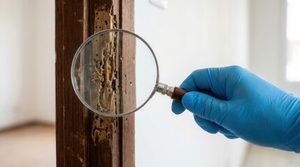
San Antonio Termite Inspection listens for hollow sounds when tapping wood structures and looks for discarded wings, mud tubes, and frass (termite droppings). Moisture is also an attractant for these pests so Inspectors will check the moisture levels in the soil.

Exterior

A termite inspection is a thorough process of checking the exterior and interior of your home to identify signs of termite damage and infestation. It also looks for conducive conditions that attract these wood-destroying pests, such as moisture. A professional can conduct a comprehensive inspection using various tools and techniques, such as moisture meters, infrared cameras, and specialized tools designed to detect hidden tunnels and other signs of termite activity.

A reputable home inspector will check every accessible area of your house, including basements, foundation walls, attics, crawl spaces and other areas, as well as any ancillary wooden structures like sheds or carports. This includes looking for mud tubes, which are earth-like tunnels of mud created by a termite infestation to help them move around. Inspectors will also look for hollowed out wood, and cracking or bubbling paint. These are all indicators of the presence of moisture, which can cause rotting and damage to wood in your home.

Since subterranean and formosan termites are especially fond of moist environments, a good home inspector will pay special attention to any areas that may be prone to moisture problems. This includes areas near sinks, utility pipes, water fountains, swimming pools and hot tubs, as well as any areas with exposed soil or mulch. In addition, the inspector will check for sagging wood, which can be indicative of a serious termite infestation that needs immediate treatment.

Depending on the results of your termite inspection, your home inspector will provide you with recommendations and advice. If the inspection indicates a significant termite infestation, your home inspector will usually recommend a course of treatment for the property that includes fumigation, chemical treatments, or baiting systems. A reputable pest control service company, such as Arceneaux Pest Management Service, can provide these services for a reasonable cost.

If you are thinking about buying a home, your inspector will likely require a termite inspection before a real estate transaction can proceed. Some mortgage lenders, including FHA and VA in high-risk areas, also require a termite inspection prior to loan approval.

Attic

A termite inspection is an important part of the home buying process. It can reveal hidden damage and lead to expensive repair bills. Although Home Inspectors cannot complete the detailed pest control inspection, they can help protect a buyer and enlighten the seller on what’s in store. Home Inspectors will look for signs of termite infestation, such as mud tubes, discarded wings, frass (termite droppings), and crumbling wood. They may also search for moisture and other conditions that attract these pesky insects.

It’s helpful for homeowners to prepare for their termite inspection before the professionals arrive. This helps the inspection go more smoothly and allows the inspector to find signs of potential problems. Getting rid of clutter in the garage and removing items blocking crawl spaces or attics can give the professionals easier access to critical areas for a better evaluation.

During the termite inspection, the professional will carefully examine each area of the property for evidence of infestation. If they find a problem, they will write up a report that describes the problem and suggests treatments or prevention methods. They will also note if there is moisture in the attic or elsewhere on the home, which can lead to further wood damage and other problems.

Some lenders require a termite inspection before approving mortgages on homes in high-risk areas. A termite inspection is usually a separate service from a regular home inspection, and it typically costs extra. While some Home Inspectors are licensed to perform termite inspections, most states require separate licenses for each service. If you’re looking for a qualified termite specialist, you can visit Firehouse Pest Control Services to learn more about their services and commitment to protecting your property. They offer thorough and reliable termite inspections in Gilbert AZ. Their team will be happy to answer any questions you have about their services. They can even recommend the right treatment options for your specific needs. Contact them today to schedule a free consultation. They also offer other residential pest control services. They serve all of the Phoenix metro area and the surrounding communities.

Crawl Space

The basement, crawl space, and attic are all common entry points for termites. Your inspector will examine these spaces for evidence of an infestation, including mud tubes, wood debris, and droppings. They will also check the foundation for evidence of moisture intrusion and deterioration, as well as look for areas where soil and wood contact each other. In addition, your inspector will look for sheds and other detached structures on the property.

Since home inspectors are not termite experts, it’s important to prepare your home before the inspection. This helps speed up the process and allows the inspector to clearly assess your home without interfering. Specifically, make sure that any stored items or boxes are moved away from walls to allow the inspector to access baseboards and other surfaces.

It’s also helpful to clear out any clutter from the areas where a termite inspection will take place. If you have a garage, it’s best to clean it out so that the inspector can easily access any items stored on the floor and walls. Keeping the garage organized, and removing any cardboard boxes can also help deter termites from entering.

During a termite inspection, the inspector will use probing tools to check the strength and integrity of any wooden materials in your home. In addition, a variety of other tools are used to improve detection accuracy, such as thermal imaging and infrared cameras, which can detect hidden moisture and heat patterns that indicate termite activity.

Once the termite inspection is complete, you will receive a report that includes any active termite infestations found and any signs of damage. The report will also include recommendations for treatment and prevention. Depending on your needs, you may choose to get a termite treatment immediately, or you may want to wait until you’re ready to sell your home.

If you’re considering purchasing a new home, be sure to ask the seller about their termite inspection history. Getting an inspection before a sale can save you a lot of time and money down the road, and it could even prevent you from having to pay for costly repairs later on.

Interior

If termites go undetected, they can cause $5 billion worth of damage every year in the U.S. and aren’t typically covered by homeowner’s insurance. A termite inspection can reveal hidden infestations or conditions that make a property more vulnerable to these wood-destroying pests, saving homeowners or real estate buyers from costly structural damage and repairs down the road.

A professional inspector will thoroughly examine the interior of a home, paying special attention to attics, basements and crawl spaces. The inspection also includes checking for signs of infestation or deterioration in door frames, window frames, baseboards and other wooden structures throughout the house. In some cases, a sounding tool may be used to check for hollow areas in walls and other surfaces.

The inspector will look for mud tubes, a common sign of termites entering a house, as well as other visual cues like piles of sawdust or “terrmite turds.” If any of these signs are present, the inspector will likely recommend further testing to confirm the presence of termites and the severity of the infestation.

An interior termite inspection will also include examining a home’s plumbing system, checking the foundation for cracks or crevices and inspecting the crawl space. If a home has a wood-burning fireplace, the inspector will examine the wood around the firebox for signs of infestation and damage.

Depending on the location of a property, its history with termites and other factors, periodic re-inspections may be recommended. Termite prevention treatments are also available that can be applied to properties to reduce the risk of infestations and protect them from future damage.

Before a termite inspection, the inspector will need to clear access to critical areas by moving furniture, boxes and other stored items at least 3 feet away from walls. This will allow the inspector to thoroughly inspect these areas and ensure that there are no obstructions that could interfere with the results of the inspection. This is an especially important step for homebuyers, as termite inspections are often required as part of the homebuying process and mortgage loan approval.

Posted in Home Inspection | Tagged , , , , | Comments Off on What Does a Termite Inspection Include?