
When planning a construction, renovation, remodeling, or major home improvement project, one of the most important decisions a property owner can make is choosing the right general contractor. A general contractor serves as a central point of coordination throughout the construction process, helping turn plans and designs into a completed structure. While many people associate contractors primarily with physical construction work, the responsibilities of a general contractor extend far beyond building, repairing, or installing materials.
General contractors may coordinate workers, manage schedules, communicate with property owners, order materials, monitor project progress, address unexpected issues, and help ensure that work is completed according to the approved plans. Understanding General Contractor Lexington KY responsibilities explained in practical terms can help homeowners and property owners know what to expect before signing a construction agreement and throughout the project.
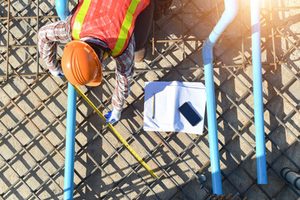
A general contractor is essentially responsible for bringing together the different parts of a construction project and keeping them moving toward completion. Depending on the size and nature of the project, a contractor may oversee everything from initial preparation and scheduling to final inspections and cleanup. Rather than having a property owner communicate independently with every trade involved in the project, the general contractor typically acts as the primary coordinator. This arrangement can make complicated projects easier to manage because there is a central professional responsible for organizing many of the moving parts. From construction planning to subcontractor coordination, the contractor’s role is often critical to maintaining efficiency, consistency, and communication.
One of the first responsibilities of a general contractor is understanding the project’s scope of work. Before construction begins, the contractor needs to understand what is being built, renovated, repaired, or remodeled and what standards the finished project is expected to meet. This may involve reviewing architectural drawings, construction plans, specifications, material requirements, timelines, and other project documentation. A detailed understanding of the scope helps the contractor determine what workers, materials, equipment, and scheduling requirements will be necessary. It also provides a foundation for identifying potential challenges before work begins rather than discovering them after construction is already underway.
Project planning is another major responsibility that can have a direct impact on the success of construction work. A general contractor typically develops a working schedule that considers the sequence in which different tasks need to be completed. Construction activities are often dependent on one another, meaning that one delayed task can affect several others. For example, certain installation work may need to wait until framing or other structural work is completed. Likewise, finishing work generally cannot begin until the necessary underlying construction has been completed and inspected. Effective scheduling allows the contractor to coordinate these dependencies and reduce unnecessary downtime.
Subcontractor management is also an important part of general contractor responsibilities. Large construction projects often involve specialized professionals who handle specific portions of the work, such as electrical systems, plumbing, flooring, roofing, painting, heating and cooling systems, or other specialized installations. The general contractor may select, schedule, coordinate, and supervise these subcontractors. This requires more than simply telling workers when to arrive. The contractor must ensure that different trades understand the project schedule and complete their work in an appropriate sequence. Good coordination can help prevent conflicts, delays, rework, and communication problems between different teams.
Several key responsibilities commonly fall under the general contractor’s role:
- Project coordination: The contractor organizes schedules, workers, materials, equipment, inspections, and other construction activities so that the project progresses in an orderly manner.
- Quality and progress oversight: The contractor monitors the work being performed and addresses problems that could affect workmanship, project requirements, safety, budget, or completion timelines.
Material procurement is another responsibility that can significantly influence construction progress. A project cannot move forward efficiently when essential materials are unavailable at the right time. General contractors may order and coordinate the delivery of building materials based on the construction schedule. This can involve determining quantities, reviewing material specifications, communicating with suppliers, and arranging deliveries. Proper material management can help prevent situations where workers are ready to perform a task but cannot proceed because the necessary products or components have not arrived. It can also reduce unnecessary storage problems and help maintain a more organized construction site.
Budget management is an equally important responsibility. Construction costs can include labor, materials, equipment, subcontractor services, permits, disposal, transportation, and many other expenses. A general contractor typically works within an established project budget and monitors costs as construction progresses. While unexpected expenses can sometimes occur, careful planning and ongoing communication can help property owners understand how changes may affect the total project cost. If the scope of work changes during construction, the contractor may need to provide information about additional labor, materials, scheduling requirements, or other costs associated with the change.
Communication between the general contractor and property owner is essential throughout the construction process. Even a well-planned project can encounter unexpected conditions, material delays, design adjustments, or other challenges. Property owners need to know what is happening and should have a clear understanding of significant decisions affecting their project. A professional contractor should communicate progress, identify concerns, explain necessary changes, and provide realistic information about scheduling. Strong communication can reduce misunderstandings and make it easier to resolve problems before they become larger disputes.
Site supervision is another significant aspect of a general contractor’s job. Construction sites can involve numerous workers, tools, materials, vehicles, equipment, and potentially hazardous activities. The general contractor is often responsible for maintaining organization and overseeing the overall work environment. This may include coordinating access to the site, managing the sequence of activities, monitoring progress, and addressing issues that arise during daily operations. Maintaining an organized construction site can improve productivity while also helping reduce unnecessary hazards and interruptions.
Safety is an important consideration during virtually every construction project. General contractors need to be aware of applicable safety requirements and ensure that workers and subcontractors follow appropriate procedures. Depending on the project, this may involve proper use of protective equipment, safe handling of tools and materials, appropriate site organization, and attention to potentially hazardous conditions. Although specific safety responsibilities can vary according to the contract and applicable regulations, responsible site management is a fundamental component of professional construction oversight.
Permits and inspections may also form part of the general contractor’s responsibilities, depending on the project and contractual arrangement. Construction projects often need to comply with building codes, regulations, and inspection requirements. A contractor may help determine which permits or approvals are necessary and coordinate required inspections at appropriate stages of construction. Completing required inspections at the right time is important because certain construction elements may need to be reviewed before they are covered or enclosed. Proper documentation and compliance can help prevent costly complications later in the project.
Quality control is another major responsibility that should never be overlooked. A construction project may look impressive when viewed from the outside, but long-term performance depends heavily on the quality of the underlying work. General contractors typically monitor workmanship and coordinate corrections when problems are identified. Quality control can involve reviewing installations, checking that work follows project plans, ensuring materials are properly installed, and addressing deficiencies before completion. A strong focus on quality can reduce the likelihood of premature repairs and help ensure that the finished project meets the owner’s expectations.
Change management is particularly important for remodeling and renovation projects. Once construction begins, property owners may decide to make design changes, upgrade materials, alter layouts, or add new features. Sometimes changes are necessary because previously hidden conditions are discovered during demolition or construction. A general contractor needs to evaluate how these changes may affect labor, materials, cost, and scheduling. Documenting changes clearly can help both the contractor and property owner understand what has been modified and avoid confusion about the project’s original scope.
Problem-solving is perhaps one of the most underestimated general contractor responsibilities. Construction rarely proceeds exactly as planned. Weather conditions, delayed materials, unexpected structural conditions, equipment problems, scheduling conflicts, and other issues can create obstacles. An experienced contractor needs to evaluate the situation, consider practical solutions, communicate the implications, and coordinate the appropriate response. Effective problem-solving does not necessarily mean preventing every challenge; instead, it means responding to challenges efficiently enough to minimize their impact on the overall project.
Documentation and record keeping can also play an important role in professional construction management. Contracts, schedules, invoices, material orders, change orders, inspection records, and project communications may all become important references during construction. Maintaining accurate documentation provides clarity about what was agreed upon and how the project has progressed. It can also help resolve questions regarding costs, responsibilities, timelines, or changes. Property owners should maintain copies of important project documents as well, particularly contracts and written approvals for significant modifications.
As construction approaches completion, the general contractor’s responsibilities do not necessarily end when the major building work is finished. Final stages may include coordinating remaining installations, completing touch-ups, addressing deficiencies, arranging final inspections, removing construction debris, and preparing the property for handover. A final walkthrough can help identify items that require attention before the project is considered complete. This stage is important because small unfinished details can have a noticeable effect on the owner’s overall satisfaction with the finished work.
There are several qualities property owners should consider when evaluating a general contractor:
- Experience and organization: Look for a contractor who demonstrates an understanding of project planning, scheduling, construction coordination, and problem-solving.
- Communication and transparency: A contractor should be willing to explain project details, discuss changes, communicate concerns, and provide clear information about costs and timelines.
The importance of hiring a qualified general contractor becomes particularly apparent when a project involves multiple construction trades. Managing one small improvement may be relatively straightforward, but larger renovations and construction projects can quickly become complicated. Without centralized coordination, different workers may arrive at the wrong time, materials may be ordered incorrectly, work may need to be repeated, or important project details may be overlooked. A general contractor provides a structured approach to managing these relationships and responsibilities, allowing the property owner to focus on the broader goals of the project rather than handling every construction detail independently.
It is also important for property owners to understand that the exact responsibilities of a general contractor can vary depending on the contract. Some contractors may provide comprehensive project management, while others may have more limited responsibilities based on the agreed scope of work. Before construction begins, property owners should carefully review the contract and clarify who is responsible for permits, materials, subcontractors, cleanup, inspections, design coordination, and other important tasks. Clear expectations at the beginning of a project can prevent disagreements later and create a stronger working relationship between the property owner and contractor.
Ultimately, understanding general contractor responsibilities helps property owners make better decisions before and during construction. A general contractor is not simply someone who oversees physical construction. The role can involve project planning, scheduling, subcontractor coordination, material procurement, budget monitoring, site supervision, quality control, safety oversight, communication, documentation, problem-solving, and final project coordination. Each responsibility contributes to keeping a construction project organized and moving toward successful completion.
Whether the project involves a major renovation, home addition, remodeling work, new construction, or another substantial improvement, professional project coordination can make a significant difference. The right general contractor brings together the people, materials, schedules, and processes needed to turn a construction plan into a finished result. By understanding what a general contractor does and establishing clear expectations from the beginning, property owners can approach their projects with greater confidence and a clearer understanding of how professional construction management contributes to quality, efficiency, and long-term value.